
What Are the Signs Your Gutters Need Repair or Replacement in Macomb, IL?
When rain hits Macomb, IL, your gutters carry the load. If they fail, water can find its way into places it should not. Homeowners often ask how to tell whether a simple fix will do or if new gutters are the smarter move. This guide explains the most common warning signs, why they happen in our area, and how a trusted pro like Illinois Gutter Pros helps you choose the right path for long-term protection. If you need fast help, many issues can be handled with a focused gutter repair service before they grow into bigger problems.
For a quick overview of solutions and to understand how pros approach gutter repair in Macomb, IL, keep reading below. You will learn what to watch for after spring storms, how freeze and thaw affect metal and fasteners, and when it is time to consider a fresh start.
Why Gutters Struggle Around Macomb’s Weather
Our climate swings hard. Spring brings strong winds and heavy rains. Summer storms dump water fast. Fall fills troughs with leaves from mature oaks and maples near the downtown square and around Western Illinois University. Winter’s freeze-thaw cycle widens tiny seams and loosens spikes and hangers. Over time, water and debris stress every part of the system.
Homes near open fields outside town also see more airborne grit. That grit speeds wear on protective coatings and builds up in elbows. In older neighborhoods, shorter roof overhangs and shallow slopes make gutters work even harder during downpours.
Clear Signs You Need Gutter Attention
Some clues shout. Others whisper. Here are common signals your gutters deserve a closer look:
- Water streaks or tiger striping on the face of the gutter or siding
- Pooling water near the foundation or damp spots in the basement
- Rust, bubbling paint, or soft, rotting fascia boards
- Visible gaps at seams, corners, or where the gutter meets the fascia
- Downspouts that gurgle, clog often, or blow off during storms
- Sagging sections, uneven pitch, or gutters pulling away from the roofline
- Soil erosion, mulch washed out, or trenches under downspout outlets
If several of these show up at once, the system may be undersized, worn out, or both. If you only see one or two issues after a big storm, targeted repair can often restore performance quickly.
When a Repair Is Usually Enough
Not every problem means a full replacement. Many homeowners in the Chandler Park and University-area blocks fix isolated issues and keep their gutters going for years. Repair tends to be a strong choice when:
- Only one or two hangers failed and caused a small sag
- A single corner seam drips but the rest of the troughs look solid
- Downspouts are clearable, and clogs come from a one-time debris event
- The finish is intact and there is no widespread corrosion
Repairs help most when the metal is sound. That means no widespread warping, no long cracks, and no soft fascia the fasteners rely on. A pro will check pitch, seal the right joints, and reset the hangers to proper spacing so water drains like it should.
When Replacement Protects Your Home Better
At some point, new gutters save headaches. Replacement is often the better call if you notice several of these at the same time:
Multiple sags or long-standing backflow. If long runs hold water after every rain, the pitch or the metal is too far gone to correct with spot fixes.
Chronic leaks at seams and miters. Many older systems use sectional pieces. If several seams drip even after resealing, upgrading to seamless can stop repeat failures.
Rotting fascia or fasteners that will not hold. When the wood behind the gutter is soft, the system cannot stay anchored. Correcting the substrate and installing a new system is the reliable route.
Storm damage across large sections. Hail dents, fallen limbs, or wind-twisted troughs may weaken more than you can see. New materials restore capacity and look clean again.
When these patterns show up, a full gutter replacement is often the lasting fix that protects siding, soffit, and foundation during our heaviest rains.
Leaks, Staining, and Basement Dampness
Water is patient. It will find the lowest path. If gutters overflow at the eaves, that water can wick into soffit and behind siding. Over time you may smell musty odors in the basement or see dark lines along joists. Even small, steady drips create soil erosion that guides more water toward your foundation during storms.
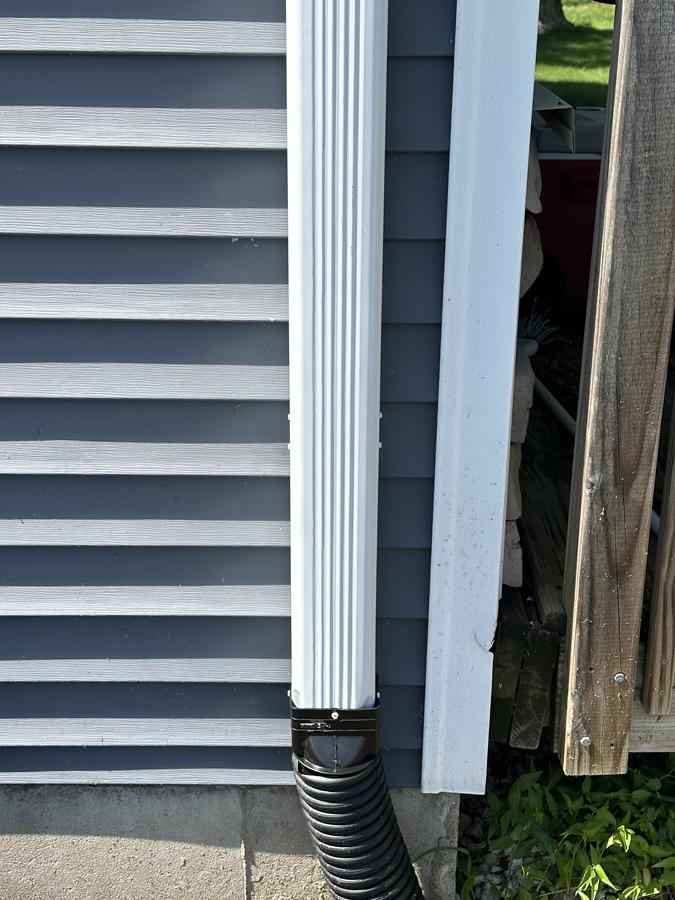
Downspout performance matters, too. If outlets are too high or extensions are missing, runoff can circle back. That is why pros focus on the whole path from shingle edge to splash block, not just a leaky corner.
Sagging, Pitch Problems, and Pull-Away Sections
Gutters work by gravity. If the pitch is off by even a little, water slows, debris settles, and weight builds. In Macomb’s leafy streets, this snowballs. One heavy storm adds more debris, the sag deepens, and screws loosen. Soon, you have a trough that looks straight but holds several inches of water after rain.
Correcting pitch usually means rehanging the section with proper spacing and secure fasteners. If the metal is bent or oil-canned, the fix may not hold. That is when it is safer to replace that run.
Corrosion, Flaking Finish, and Old Sealant
As coatings age, UV light and grit from windy days scuff the finish. Bare metal reacts with water. You will see tiny rust blooms or a chalky feel on painted aluminum. Seams and end caps also rely on sealants that dry out over time. If most joints look brittle or cracked, sealing a few places will not solve the root issue.
Macomb, IL Realities: Storm Seasons and Ice
Early spring storms can dump an inch or more of water in a short burst. In fall, leaves and twigs from mature trees around the courthouse square can pack corners tight. During winter, freeze-thaw expands any tiny opening. Water behind the gutter freezes and pushes it away from the fascia little by little. By March, what looked fine in December is letting water behind the system.
After a wind event or late-winter thaw, schedule a professional check before the next big rain. Small leaks often hide under eaves and only appear as faint streaks later. A quick inspection now can prevent fascia damage and soaked insulation.
How Pros Evaluate Your Gutters
Whole-System View
Experienced installers do not fix a drip in isolation. They trace water from the shingle edge to the ground. That includes checking roof edge details, hanger spacing, end-cap seams, miters, and downspout capacity. They also look at grade and where extensions shed water.
Material and Age Check
Metal thickness, the number of seams, and the condition of coatings all matter. If your system is older and has many joints, even perfect sealing today might not last through another winter. Seamless replacements remove many weak points and match the home’s trim for a clean, finished look.
Local Fit and Sizing
In areas near open fields or tree-lined streets, upsizing downspouts or adding an extra outlet can make a big difference. Pros size gutters for actual roof area and expected rainfall. That way, the system is less likely to overtop during our hardest storms.
Repair vs. Replacement: Making a Confident Choice
You want protection you do not have to think about every time clouds roll in. If your issues are limited to one corner, a short sag, or a single leaking seam, repairs are smart. If problems repeat across the house, the paint is failing, or the wood behind the gutters is soft, replacement brings peace of mind and a clean look that boosts curb appeal.
Not sure where you stand? A reputable installer will explain the why behind each option, show photos, and outline what success looks like one year from now and five years from now. That clarity helps you avoid repeat service calls and protects the value of your home.
Foundation and Landscaping Protection
Gutters are not just for the roofline. They defend your foundation and your yard. If you see mulch washed onto sidewalks in Good Hope or small trenches forming under outlets in Colchester, it is a sign the system is not controlling flow. Redirecting water with the right pitch and outlet setup protects basements, patios, and planting beds.
Common Myths That Cost Homeowners Money
“It only leaks in big storms, so it is fine.” Big storms reveal the weak spots, but small, steady leaks do more long-term damage.
“I will just seal that corner again.” If you have sealed the same seam more than once, the problem is bigger than sealant.
“They look fine from the ground.” Many failures start behind the trough or under the lip. What you cannot see may be the real issue.
What To Expect When You Call Illinois Gutter Pros
You deserve straight answers. Our team listens, checks the whole system, and explains the tradeoffs in plain language. We respect your time, protect your landscaping, and leave the site clean. If a focused fix will keep you dry through the season, we will say so. If the smart move is a new system, we explain why and outline the steps so you know what will happen and when.
Need a broader view of options before deciding? Browse our gutter services to see how different materials and profiles handle Macomb’s weather and roof styles.
Ready To Protect Your Home
Water problems rarely wait for a better day. If your gutters sag, leak at the corners, or keep clogging after every storm, let a pro check them now. For long-term reliability and clean curb appeal, many Macomb homeowners choose seamless gutter replacement that fits the home and handles local rainfall. Prefer to talk it through first? Call 309-209-9500 to speak with Illinois Gutter Pros and schedule a convenient visit.