
How Often Should You Clean Your Gutters in Galesburg, IL to Prevent Damage?
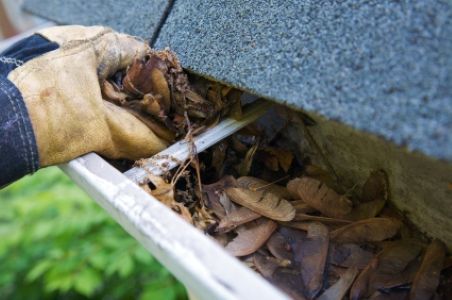
If you own a home in Galesburg, IL, you know our weather can swing from windy spring storms to heavy fall leaf drop and long, icy winters. That mix is tough on gutters. A simple schedule for gutter cleaning in Galesburg, IL can protect your roof, siding, and foundation all year. For a safe, thorough result, many homeowners book professional gutter cleaning so small issues get fixed before they become big repairs.
Why Clean Gutters Matter in Galesburg’s Climate
Galesburg sits in a pocket of western Illinois where spring and early summer bring fast-moving thunderstorms. Those downpours can dump inches of rain in a short time. If your gutters are clogged, water has nowhere to go. It can back up under shingles, streak down siding, and pool near the foundation. In older homes around the Seminary Street area or near Lake Storey, that can mean damp basements and shifting soil.
Autumn is just as challenging. Mature maples and oaks drop large volumes of leaves and seed pods. Add twigs and roof grit, and your system can clog quickly. Then winter arrives. Freeze-thaw cycles turn wet debris into heavy ice that strains hangers and seams. Over time, this creates sags and leaks that shorten the life of your gutters.
The Right Schedule: Seasonal Recommendations for Galesburg, IL
Early Spring: Clear Winter Debris and Prepare for Storms
As snow melts and March winds kick up, debris often collects at downspout inlets. Clearing that material in early spring makes room for April and May rain. It also protects landscaping beds along Fremont Street and newer subdivisions where mulch can wash out during a heavy downpour.
Late Fall: After Leaf Drop, Before the Hard Freeze
Late October into November is prime cleanup time. By waiting until most leaves are down, you reduce the need for repeat visits. Aim to have gutters clear before sustained freezing temperatures arrive. That timing helps prevent ice dams along north-facing rooflines and keeps meltwater moving away from the house.
After Major Wind or Hail Events
Summer thunderstorm lines can drive leaves, small branches, and shingle granules into gutters overnight. If you notice debris on the lawn the next day, your gutters likely caught some too. A quick professional check after severe weather keeps small blockages from turning into overflows at the next rain.
Homes With Heavy Tree Cover: More Frequent Service
Properties near mature trees by Lake Storey Park or the Soangetaha area often need attention more than twice a year. Quarterly service can make sense when canopies hang over the roof. That schedule keeps downspouts clear and reduces the weight that can pull gutters out of pitch.
Factors That Change How Often You Need Service
- Tree coverage and species around the roofline. Maples, oaks, and pines shed at different times and in different ways.
- Roof pitch and valleys. Complex roofs push more runoff and debris toward certain gutter runs.
- Existing gutter guards. Some reduce bulk debris, but pollen and shingle grit still collect and need removal.
- Downspout capacity. Undersized or shared downspouts clog faster, especially at elbows and ground-level bends.
- Nearby construction or storms. Dust and broken twigs build up during projects and after high winds.
If you face the same overflow points each season or your gutters struggle to keep up during cloudbursts, consider an upgrade to seamless gutter installation sized for your roof and local rainfall patterns. A properly pitched, continuous system with well-placed downspouts moves water faster and reduces future cleanings.
Clear Warning Signs Your Gutters Need Attention Now
- Water spilling from the middle of a gutter run during rain.
- Dark streaks or algae lines on siding below the eaves.
- Sagging sections or gaps where the gutter meets the fascia.
- Soil erosion, mulch displacement, or puddles against the foundation.
- Ice ridges forming at the roof edge after a thaw-and-freeze cycle.
Never ignore water pouring over an edge or pooling near your foundation. That water can find pathways into basements or crawl spaces. Streaks and stains on siding usually point to a blockage upstream. And if a section sags, the pitch is likely off, which makes future clogs more likely even after debris is removed.
What Professional Gutter Cleaning Includes
A thorough visit focuses on safety, debris removal, and free-flowing drainage. Technicians clear leaves, seed pods, and roof grit from channels and outlets, then confirm downspouts are open. Many issues show up during light testing with water. Minor fastening adjustments and basic seal checks are often handled on the spot. The goal is simple: a system that moves water off the roof and away from your home fast and predictably.
For many homeowners, a recurring maintenance plan is the easiest way to stay ahead of the seasons. Pairing spring and late-fall appointments helps you glide through our storm season and winter freeze without surprises. If you prefer a simple one-time visit, ask for a full assessment so you know where trouble might appear next.
Local Timing Tips Around Galesburg
Different parts of town face different debris patterns. Near the Seminary Street Historic District and older streets with tall trees, expect heavy fall drop that can fill long gutter runs in a week. Homes near open fields may see less leaf volume but more dust and shingle grit after windy days. Around Lake Storey and wooded cul-de-sacs, pine needles and small cones slide into outlets and can wedge in downspout elbows.
Because of these local differences, it helps to set reminders that match your property. Many Galesburg homeowners schedule one visit after the spring bloom and another right after peak fall leaf drop. If you see standing water after a storm, move your appointment forward rather than waiting for the calendar. Water marks under the eaves are your early-warning system.
Protect Your Roof, Siding, and Foundation
Clogged gutters add moisture where your home least needs it. Prolonged wetness along the roof edge shortens shingle life. Overflow down walls leaves streaks and can push moisture behind siding. At ground level, concentrated runoff erodes soil and can settle near basement walls. Over a wet season, that pressure can work water through hairline cracks. Keeping gutters clear is a small step that prevents much larger moisture problems.
In winter, trapped debris allows ice to build where water should be moving. Even without deep snowfall, ice can pry at seams and fasteners. That pressure leads to drips in odd places once spring rains return. It is far easier to keep water moving in the right direction than to repair what standing water damages.
A Simple Year-Round Plan That Fits Galesburg Weather
Think of your gutters like the storm drains on your street. When they are open, heavy rain clears quickly. When they are blocked, water finds the next lowest spot, even if that means across your sidewalk or into your yard. A twice-a-year plan, with a flexible third check after severe weather, matches how our seasons behave in Knox County. It also reduces surprise visits and keeps your system working when it matters most.
Early in the year, align your spring appointment with the first lawn mowing or garden prep. That timing captures the late-winter grit and the first wave of tree debris. Book your second visit right after the last major leaf drop. If a windstorm shakes loose branches or you notice spillage, call sooner rather than later. Waiting until ice forms makes simple clogs harder to clear.
When Upgrades Make Sense
Maintenance is the first line of defense. Still, some homes benefit from adjustments. Swapping small outlets for larger ones speeds drainage. Adding a new downspout to a long gutter run reduces overflow at the far end. If your system is older or dented, a new layout with properly sized, seamless runs can pay off in fewer service calls and better performance during cloudbursts. Your technician can flag these opportunities during a cleaning appointment and help you prioritize what matters most.
Who You Choose Matters
Look for a local team that understands how Galesburg weather and tree species affect performance. The right provider will recommend a schedule that fits your home, not just a one-size plan. They should check pitch, outlets, and hangers each visit, not only remove debris. When you work with Illinois Gutter Pros, you get a partner focused on long-term protection, not just a quick cleanout.
Set Your Next Appointment
To keep water moving away from your home all year, schedule seasonal gutter cleaning service with Illinois Gutter Pros. Our team can confirm the best timing based on your trees, roof, and recent weather so you avoid surprise overflows during spring storms and late-fall freezes.
If you are comparing providers or planning for the year ahead, start at our home base for gutter cleaning in Galesburg, IL and see how we help local homeowners stay ahead of the seasons. When you are ready, call us at 309-209-9500. We will build a simple plan that protects your roof, siding, and foundation, and we will remind you when it is time.