
What Is the Difference Between Seamless Gutters and Regular Gutters? Bushnell, IL Homeowner Guide
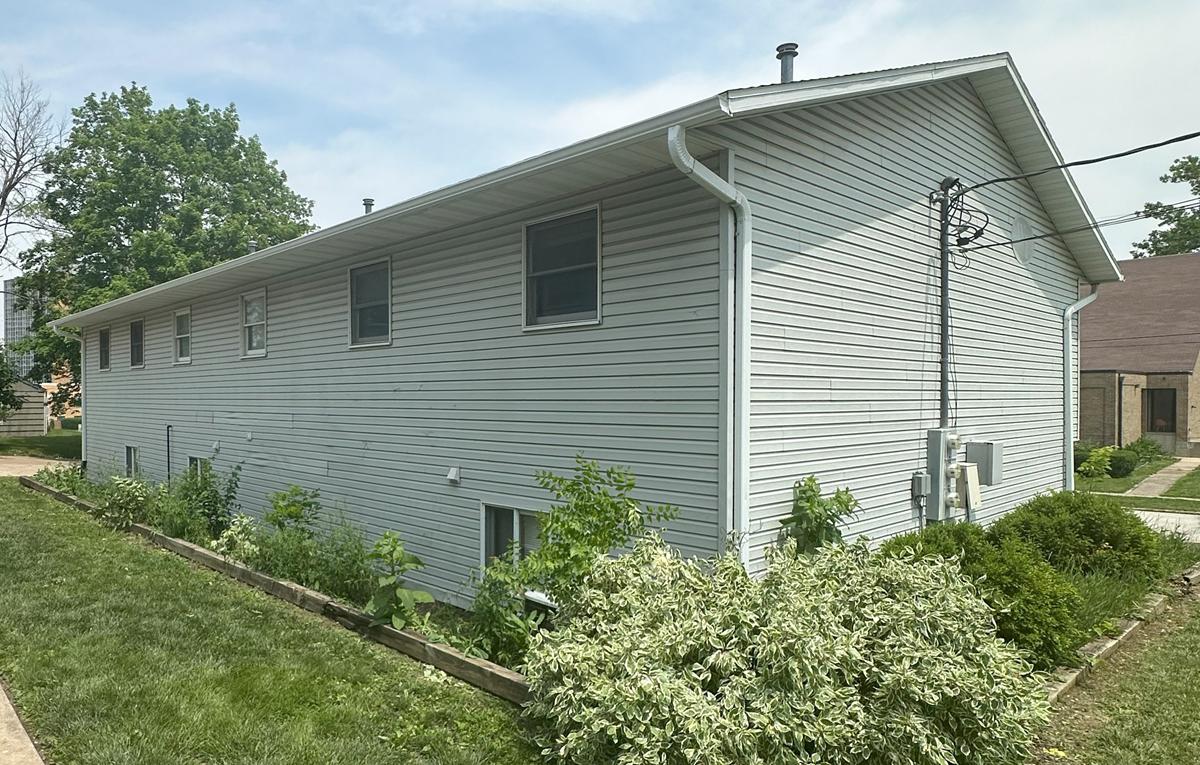
When rain hits Bushnell, IL, your gutters go to work fast. If you are comparing options, the biggest choice is between seamless and regular sectional gutters. Below, we explain the difference in plain language, how local weather affects performance, and when each option makes sense. If you are ready to protect your home now, see our gutter installation service for a custom-fit system sized to your roof and rainfall.
Seamless vs. Regular Gutters: The Basics
Seamless gutters are formed from one continuous coil of metal and cut to the exact length of each roof edge on-site. The only joints are at inside and outside corners and where downspouts connect. Regular gutters, sometimes called sectional or “traditional,” are made from shorter pieces joined together every 10 to 20 feet with connectors and sealant.
- Seamless gutters have fewer joints, which reduces leak points and maintenance.
- Regular gutters have more seams, which rely on caulk that can dry, crack, or separate over time.
Think of it like a garden hose. One long hose with tight fittings is simple to manage. A bunch of short hoses linked together works, but every coupling is a place something can drip.
Why Seamless Gutters Fit Bushnell Weather
Western Illinois sees quick spring downpours, heavy fall leaf drop, and winters that shift from thaw to freeze. Those swings are tough on seams. When caulked joints repeatedly freeze and warm up, tiny gaps can open and let water out where you least want it. Because seamless gutters remove most joints, they handle these cycles better and keep water moving where it should.
Tip: If your home sits under mature maples or oaks, seamless gutters paired with the right downspout layout can help control leaf buildup and overflow during October and November.
Materials and Sizes: What Most Homes Use
Aluminum is the go-to material for both seamless and sectional systems because it is light, resists rust, and comes in many colors. Copper is a premium option with a distinctive look that develops a patina over time. Steel is less common on homes here due to rust potential.
Most Bushnell homes use K‑style 5‑inch or 6‑inch gutters:
- 5‑inch is common on smaller or simple roofs.
- 6‑inch moves more water and is often selected for longer runs, steep roof pitches, or big valleys that collect runoff.
Good to know: Size alone is not everything. Proper pitch, secure hangers, and smart downspout placement matter just as much for performance.
Joints, Leaks, and Longevity
Every seam is a potential leak. Regular gutters may start watertight, but joints can shift with temperature or wind. Seamless gutters remove most of those risk points. Fewer seams usually means fewer callbacks for drips and stains on siding.
Installation quality is huge. Even a seamless system will struggle if it is not pitched correctly or if downspouts are undersized. That is why many Bushnell homeowners choose a professional seamless gutter installation that includes design, sizing, and placement as part of one complete plan.
Downspouts and Drainage: The Unsung Heroes
Gutters only collect water. Downspouts move it away from the house. In heavy Illinois rain, a single downspout can channel hundreds of gallons in an hour. If that water dumps too close to the foundation, you may see soil washout, damp basements, or frost heave near patios.
Warning: Splash blocks are not a cure‑all. Many homes perform better with longer extensions or buried drain lines that carry water to a safe discharge point.
Local insight: in McDonough County, storms often roll in fast. If you notice water spilling over the middle of a gutter run during a downpour, the run may be too long for small downspouts. Ask about 6‑inch gutters with larger outlets on your longest roof edges to reduce overflow risk.
Appearance and Curb Appeal
Seamless gutters have a smooth, continuous look that many homeowners prefer, especially on the street‑facing sides of the house. Sectional gutters can look fine too, but the connectors are visible every few feet, and seams may show with age. Color‑matched aluminum in either style blends well with existing fascia and trim.
Maintenance Expectations
Both styles benefit from seasonal checkups, especially under tree cover. Seamless gutters usually need fewer leak repairs because there are fewer joints to fail. If you add guards, choose a style that fits your roof and trees. Micro‑mesh screens do well with small leaves and roof grit in our area.
Homeowner tip: schedule maintenance before peak leaf drop in late fall so meltwater has a clear path when winter arrives.
When Regular Gutters Still Make Sense
Sectional gutters can be a practical choice for short shed roofs, small additions, or outbuildings with simple layouts. If only a short section is damaged, replacing a few pieces of regular gutter may be all you need. Just remember that more seams mean more places to monitor over time.
How to Choose for a Bushnell, IL Home
Match the system to your roof, trees, and rainfall:
1) Roof complexity and length. Longer runs and steep pitches push more water. Many homeowners choose 6‑inch seamless for these edges.
2) Tree cover. Heavy leaves and seed pods demand strong flow and smart outlet placement. Fewer seams help when cleaning is less frequent.
3) Foundation and grading. If your lot is flat or drains toward the house, you will want a design that moves water farther away at ground level.
4) Durability goals. Seamless aluminum with hidden hangers offers sturdy performance with a clean look across seasons.
Replacement vs. New Installation
If gutters sag, paint peels under the eaves, or you see soil washouts after storms, it may be time to consider a replacement. A professional visit should include measuring each run, choosing 5‑inch or 6‑inch where it fits best, planning downspout locations, and checking fascia and soffit for hidden issues. The goal is a system that moves water off the roof fast and away from the foundation.
Seamless Aluminum: The Local Favorite
Most homes around Bushnell use seamless aluminum because it resists rust, comes in many colors, and is lightweight. With hidden hangers and the right pitch, aluminum delivers strong day‑to‑day performance through heavy summer rain and freeze‑thaw winters.
What About Gutter Guards?
Guards can reduce clogs and keep maintenance lower, but they are not all the same. The best choice depends on roof type, tree species, and how debris lands on your home. Pairing the right guard with a well‑sized seamless system can make a clear difference in performance during peak leaf season.
A Quick Side‑By‑Side Comparison
Seamless gutters: custom‑cut to each roof edge, fewer joints to leak, cleaner look, strong choice for heavy rain and long runs.
Regular sectional gutters: made from shorter pieces, more seams to maintain, workable for short roofs or small structures where runs are limited.
Local Peace of Mind Starts Here
Choosing the right system is easier when you see your roof and lot as one water‑control plan. That is how Illinois Gutter Pros approaches every project. Our crew designs the layout, sizes the outlets, and installs with care so your home can handle a fast Midwest storm without drama. If you want a simple starting point, explore seamless gutter installation and see how a continuous system can help your Bushnell home.
Prefer to talk it through? Call us at 309-209-9500 and we will walk your roofline with you. You can also learn more about seamless gutters in Bushnell, IL on our home base and see why neighbors trust Illinois Gutter Pros for reliable results.
Ready To Upgrade Your Gutters?
If you are weighing seamless vs. regular gutters, the safest, lowest‑maintenance pick for most Bushnell homes is seamless aluminum sized correctly and paired with smart downspout placement. Let us design a system that fits your roof, trees, and yard. Schedule your visit today, and get your home ready for the next storm.