
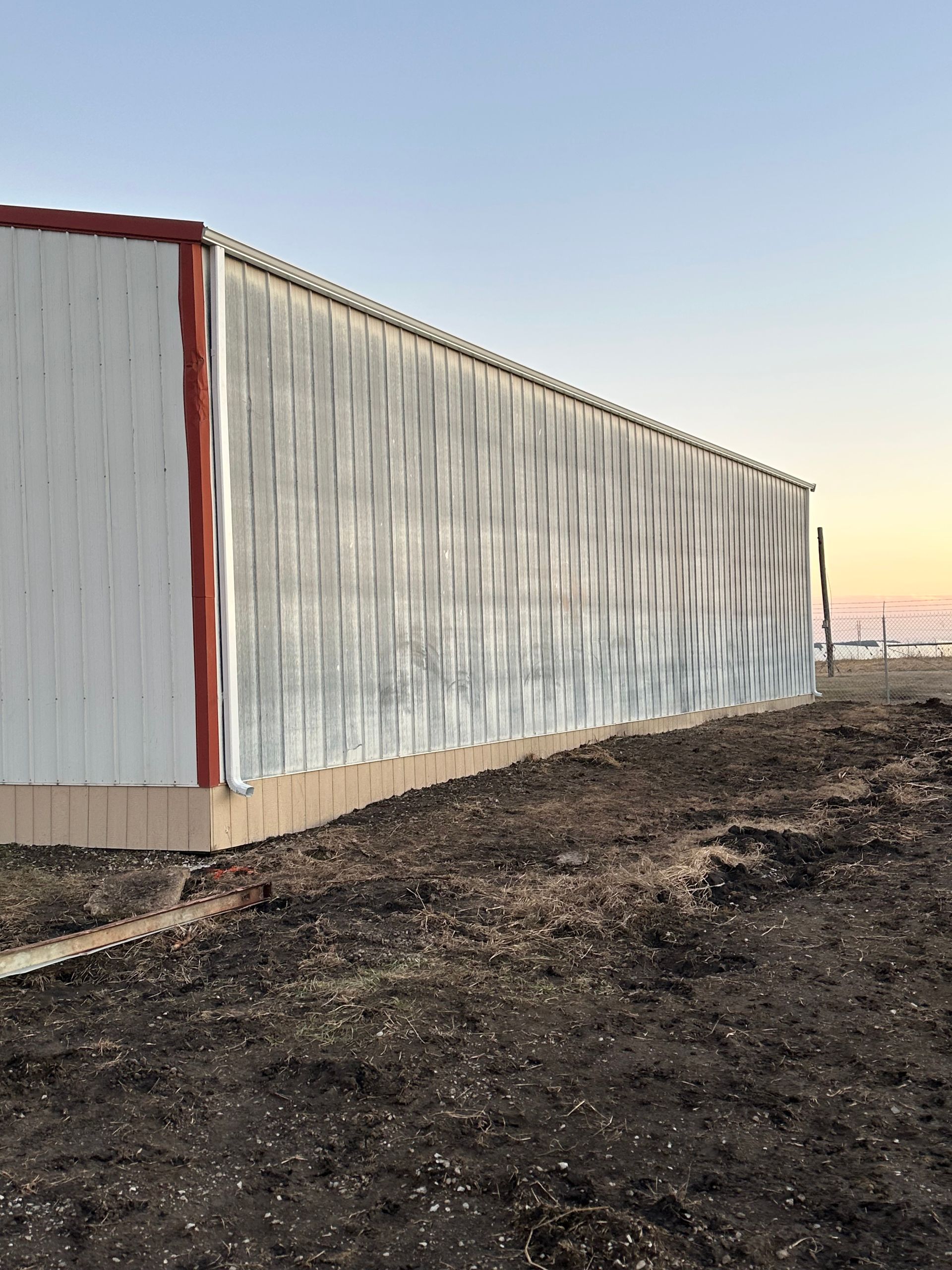
Water Routed Away From Foundations
Downspout Drainage in Macomb for homes with water pooling near foundations or basement moisture after rainfall
Central Illinois rainfall and spring snowmelt concentrate large water volumes at downspout discharge points, and without proper drainage extensions, that water saturates soil immediately adjacent to basement walls and foundation perimeters. Illinois Gutter Pros installs and extends downspout systems to channel water at least four to six feet away from the home, preventing the soil saturation and erosion that lead to basement moisture infiltration and foundation settlement. Proper downspout grading ensures water moves away from the structure across your property's natural slope rather than pooling in low areas near the foundation.
The process begins by sizing downspouts to match your gutter system's capacity—5 inch gutters typically require 2x3 inch rectangular downspouts, while 6 inch gutters need 3x4 inch profiles to handle peak water flow without backing up into the trough. Extensions are added using either underground rigid piping or flexible corrugated tile that routes water to a discharge point away from the home. The final drainage point includes splash blocks or pop-up drain emitters that disperse water without creating erosion channels in your lawn.
Schedule a property evaluation to identify current drainage patterns and determine the best extension approach for your home's grading and landscaping.
What Happens During Downspout Installation
Downspout placement is determined by gutter outlet locations and the distance required to move water away from the foundation without creating secondary pooling problems. For properties with level grading or low areas near the home, underground extensions route water to daylight discharge points at the property edge where natural slope carries flow away from structures. Aboveground extensions work well on sloped lots where water can follow the grade away from the home without requiring buried piping.
After installation, water no longer saturates the soil directly adjacent to your basement walls or creates erosion trenches along the foundation perimeter. You'll notice the area around downspout discharge points remains dry during storms, and the pooling that previously occurred near the home moves to designated drainage areas away from the structure. The crew ensures extensions slope continuously away from the home, preventing water from settling in low spots along the run where it would defeat the purpose of routing flow away from the foundation.
Installation includes connecting the downspout to the extension system with sealed fittings that prevent leaks at joints, ensuring all water captured by the gutter reaches the intended discharge point. For rural properties and farm areas with exposed perimeter grading, wind and equipment traffic can dislodge aboveground extensions, making underground systems a more durable choice in those locations. The crew evaluates local conditions—soil type, existing landscaping, distance to suitable discharge points—to recommend the extension approach that delivers reliable long-term drainage for your specific site.
What Homeowners Ask About Downspout Drainage
Property owners often need guidance on extension options and how drainage improvements prevent foundation problems.
How far should downspouts discharge water from the home in Macomb?
Water should be routed at least four to six feet away from foundation walls to prevent soil saturation that leads to basement moisture and foundation settlement during seasonal freeze-thaw cycles.
What is the difference between underground and aboveground downspout extensions?
Underground rigid piping routes water below grade to a remote discharge point and remains hidden, while aboveground flexible tubing directs flow across the yard surface and can be moved for mowing but is visible year-round.
Why do some downspouts use pop-up drain emitters?
Pop-up emitters disperse water at the extension's discharge point without creating erosion channels, opening under water pressure during storms and closing when flow stops to prevent debris entry.
Can downspout drainage prevent basement water problems?
Proper downspout extensions significantly reduce foundation perimeter soil saturation, addressing one of the primary causes of basement moisture infiltration, though other factors like foundation cracks or poor exterior grading may also contribute.
How do you determine the best discharge location for extensions?
The crew evaluates your property's natural slope, identifies low areas where water would pool, and routes extensions to daylight points where grade carries flow away from all structures without creating drainage problems in other areas of the yard.
Illinois Gutter Pros provides downspout drainage installation for properties in Macomb, Quincy, Galesburg, Augusta, and rural communities throughout the service area, with extension systems designed to match local grading and drainage conditions. Arrange a site visit to review your current downspout discharge patterns and receive recommendations for extension routing that addresses water pooling and foundation moisture concerns.